 agency
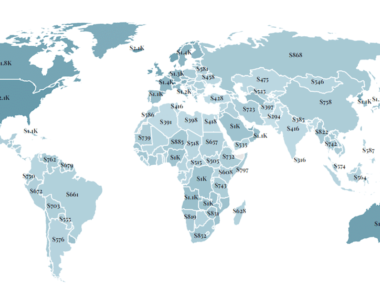
Deciding where to migrate is not just about job opportunities, visas, or climate — cost of living plays a central role in whether you can live well, save money, and achieve stability after migration. In 2025, global costs are shifting due to inflation, currency variation, housing pressure, and labour markets. This comprehensive guide breaks down the cost of living for major migration destinations, comparing key essentials like housing, food, transportation, healthcare, utilities, and discretionary spending.
We’ll cover:
- What cost of living really includes
- Methodology for comparison
- Detailed breakdowns for popular destinations
- Side-by-side comparison tables
- Practical migration budgeting tips
This guide helps you make informed decisions based on realistic monthly and annual budgets.
Understanding “Cost of Living
Cost of living measures how much it costs an average person to live in a place. It isn’t a single number — it’s a basket of everyday expenses:
- Housing (rent/mortgage)
- Food and groceries
- Utilities (electricity, water, heat, internet)
- Transport (public transit, petrol, insurance)
- Healthcare and insurance
- Education (if applicable)
- Entertainment and personal care
Two people in the same country can have very different costs if one lives in a city centre and the other in a smaller town. To compare fairly, we look at major urban centres where most migrants live.
Methodology: How This Comparison Works
To compare costs across countries, we use typical budget categories and show average monthly ranges for a single person and a family of four. These figures are estimates based on recent global cost data, migrant reports, and international living indexes. Specific cities may be more expensive or cheaper than national averages.
We highlight relative affordability, not exact numbers — real costs may vary based on housing choice, lifestyle, and income.
Key Migration Destinations Compared
The countries below are among the most popular migration destinations in 2025:
- Canada
- United Kingdom
- Germany
- Australia
- New Zealand
- United States
- Portugal
- Netherlands
- Ireland
- United Arab Emirates (UAE)
We’ll compare them across major cost categories.
Cost of Living Breakdown — Monthly Average Estimates
(All figures in local currency and approximated to USD for easier comparison where noted)
1. Canada
Currency: CAD (~0.74 USD)
Cities: Toronto, Vancouver (higher), Montreal, Calgary (lower)
Monthly Costs — Single Person
- Rent (1BR city centre): CAD 1,800–2,400 (~USD 1,300–1,750)
- Utilities + Internet: CAD 180–250 (~USD 130–180)
- Groceries & Eating Out: CAD 400–650 (~USD 280–475)
- Public Transport: CAD 120–180 (~USD 90–130)
- Health Insurance (if not employer covered): CAD 60–120 (~USD 45–90)
- Misc & Entertainment: CAD 200–350 (~USD 145–255)
Total (Single): ~CAD 2,760–3,950 (~USD 2,000–2,900)
Monthly Costs — Family of Four
- Rent (3BR city centre): CAD 2,800–4,000 (~USD 2,050–2,930)
- Utilities + Internet: CAD 280–350 (~USD 205–255)
- Groceries: CAD 900–1,400 (~USD 660–1,030)
- Transport (2 adults): CAD 240–360 (~USD 175–265)
- Healthcare (partial coverage through public system, private top-ups): CAD 150–300 (~USD 110–220)
- Misc & Kids: CAD 500–900 (~USD 365–660)
Total (Family): ~CAD 4,870–7,310 (~USD 3,550–5,350)
Notes: Housing is the largest expense; Canada’s public healthcare reduces medical spending.
2. United Kingdom
Currency: GBP (~1.27 USD)
Cities: London (most expensive), Manchester, Birmingham
Monthly Costs — Single Person
- Rent (1BR city centre): GBP 1,300–1,900 (~USD 1,650–2,400)
- Utilities + Internet: GBP 160–220 (~USD 205–280)
- Groceries: GBP 250–380 (~USD 320–480)
- Transport (monthly pass): GBP 130–180 (~USD 165–235)
- Healthcare (NHS surcharge if applicable): GBP 60–90 (~USD 75–115)
- Misc & Leisure: GBP 220–350 (~USD 280–445)
Total (Single): ~GBP 2,120–3,120 (~USD 2,695–3,955)
Monthly Costs — Family of Four
- Rent (3BR): GBP 2,200–3,200 (~USD 2,800–4,060)
- Utilities + Internet: GBP 250–330 (~USD 315–415)
- Groceries: GBP 650–1,000 (~USD 820–1,265)
- Transport: GBP 240–340 (~USD 305–430)
- Healthcare & NHS surcharge: GBP 120–200 (~USD 150–255)
- Misc & Kids: GBP 500–850 (~USD 630–1,080)
Total (Family): ~GBP 3,960–5,920 (~USD 5,030–7,515)
Notes: UK living costs vary greatly by region — London is significantly costlier than Northern cities.
3. Germany
Currency: EUR (~1.10 USD)
Cities: Berlin, Hamburg, Munich (more expensive), Leipzig (cheaper)
Monthly Costs — Single Person
- Rent (1BR city centre): EUR 900–1,350 (~USD 990–1,485)
- Utilities + Internet: EUR 200–280 (~USD 220–308)
- Groceries & Eating Out: EUR 250–400 (~USD 275–440)
- Transport (monthly pass): EUR 80–110 (~USD 88–121)
- Health Insurance (statutory/private): EUR 160–280 (~USD 175–308)
- Misc & Entertainment: EUR 180–300 (~USD 198–330)
Total (Single): ~EUR 1,770–2,720 (~USD 1,950–2,992)
Monthly Costs — Family of Four
- Rent (3BR city centre): EUR 1,600–2,400 (~USD 1,760–2,640)
- Utilities + Internet: EUR 300–420 (~USD 330–462)
- Groceries: EUR 650–1,000 (~USD 715–1,100)
- Transport (family): EUR 160–230 (~USD 175–255)
- Health Insurance: EUR 300–550 (~USD 330–605)
- Misc & Kids: EUR 500–850 (~USD 550–935)
Total (Family): ~EUR 3,510–5,450 (~USD 3,860–5,995)
Notes: Public transport is extensive; private healthcare top-ups increase costs.
4. Australia
Currency: AUD (~0.67 USD)
Cities: Sydney (expensive), Melbourne, Brisbane
Monthly Costs — Single Person
- Rent (1BR city centre): AUD 2,000–2,800 (~USD 1,340–1,880)
- Utilities + Internet: AUD 200–300 (~USD 135–200)
- Groceries: AUD 350–550 (~USD 235–370)
- Transport (monthly): AUD 140–220 (~USD 95–150)
- Healthcare (Medicare/private gap): AUD 120–250 (~USD 80–170)
- Misc/Entertainment: AUD 300–500 (~USD 200–335)
Total (Single): ~AUD 3,110–4,620 (~USD 2,090–3,205)
Monthly Costs — Family of Four
- Rent (3BR city centre): AUD 3,200–4,500 (~USD 2,150–3,030)
- Utilities + Internet: AUD 350–500 (~USD 235–335)
- Groceries: AUD 900–1,400 (~USD 605–940)
- Transport: AUD 240–380 (~USD 160–255)
- Healthcare + insurance: AUD 260–480 (~USD 175–320)
- Misc & kids: AUD 700–1,200 (~USD 470–805)
Total (Family): ~AUD 5,650–8,460 (~USD 3,795–5,735)
Notes: Australia’s high minimum wages help offset costs; working while studying often permitted.
5. New Zealand
Currency: NZD (~0.63 USD)
Cities: Auckland, Wellington
Monthly Costs — Single Person
- Rent (1BR city centre): NZD 1,700–2,400 (~USD 1,070–1,510)
- Utilities + Internet: NZD 200–300 (~USD 125–190)
- Groceries: NZD 350–550 (~USD 220–370)
- Transport: NZD 140–220 (~USD 90–140)
- Healthcare (ACC/public): NZD 80–150 (~USD 50–95)
- Misc: NZD 250–450 (~USD 160–285)
Total (Single): ~NZD 2,720–4,070 (~USD 1,700–2,590)
Monthly Costs — Family of Four
- Rent (3BR): NZD 2,800–3,900 (~USD 1,765–2,460)
- Utilities + Internet: NZD 350–500 (~USD 220–315)
- Groceries: NZD 850–1,200 (~USD 535–755)
- Transport: NZD 280–420 (~USD 175–265)
- Healthcare + insurance: NZD 160–300 (~USD 100–190)
- Misc: NZD 600–1,000 (~USD 375–630)
Total (Family): ~NZD 5,040–7,320 (~USD 3,170–4,615)
Notes: NZ has good work-study balance and strong welfare systems.
6. United States
Currency: USD
Cities: New York, Los Angeles, Chicago, smaller cities
Monthly Costs — Single Person
- Rent (1BR city centre): USD 1,700–2,600
- Utilities + Internet: USD 200–300
- Groceries & food: USD 350–550
- Transport (public/transit & car costs): USD 240–400
- Healthcare insurance (non-employer): USD 200–450
- Misc: USD 300–500
Total (Single): ~USD 2,990–4,800
Monthly Costs — Family of Four
- Rent (3BR city centre): USD 2,800–4,500
- Utilities + Internet: USD 350–500
- Groceries: USD 900–1,500
- Transport: USD 400–700
- Healthcare insurance: USD 700–1,500
- Misc & kids: USD 800–1,400
Total (Family): ~USD 5,950–10,100
Notes: Healthcare dramatically affects US cost; employer-sponsored insurance reduces personal outlay.
7. Portugal
Currency: EUR (~1.10 USD)
Monthly Costs — Single Person
- Rent (1BR city centre): EUR 750–1,100 (~USD 825–1,210)
- Utilities + Internet: EUR 120–170 (~USD 130–185)
- Groceries: EUR 200–350 (~USD 220–385)
- Transport (monthly): EUR 40–60 (~USD 45–65)
- Healthcare (public portion, private top-ups): EUR 50–100 (~USD 55–110)
- Misc: EUR 150–280 (~USD 165–310)
Total (Single): ~EUR 1,310–2,060 (~USD 1,440–2,270)
Monthly Costs — Family of Four
- Rent (3BR): EUR 1,100–1,800 (~USD 1,210–1,980)
- Utilities + Internet: EUR 200–300 (~USD 220–330)
- Groceries: EUR 500–850 (~USD 550–935)
- Transport: EUR 80–120 (~USD 90–135)
- Healthcare: EUR 120–250 (~USD 135–275)
- Misc & kids: EUR 350–650 (~USD 385–715)
Total (Family): ~EUR 2,350–3,970 (~USD 2,585–4,375)
Notes: Portugal offers strong digital nomad and retirement visas with modest costs.
8. Netherlands
Currency: EUR (~1.10 USD)
Monthly Costs — Single Person
- Rent (1BR city centre): EUR 1,000–1,500 (~USD 1,100–1,650)
- Utilities + Internet: EUR 180–260 (~USD 200–285)
- Groceries: EUR 250–400 (~USD 275–440)
- Transport: EUR 80–100 (~USD 90–110)
- Healthcare insurance: EUR 100–150 (~USD 110–165)
- Misc: EUR 200–350 (~USD 220–385)
Total (Single): ~EUR 1,810–2,660 (~USD 2,000–2,925)
Monthly Costs — Family of Four
- Rent (3BR): EUR 1,700–2,500 (~USD 1,870–2,750)
- Utilities + Internet: EUR 300–450 (~USD 330–495)
- Groceries: EUR 650–1,000 (~USD 715–1,100)
- Transport: EUR 160–240 (~USD 175–265)
- Healthcare insurance: EUR 200–350 (~USD 220–385)
- Misc & kids: EUR 450–800 (~USD 495–880)
Total (Family): ~EUR 3,460–5,340 (~USD 3,810–5,860)
Notes: Healthcare is paid through mandatory basic insurance — affordable relative to benefits.
9. Ireland
Currency: EUR (~1.10 USD)
Monthly Costs — Single Person
- Rent (1BR centre): EUR 1,250–1,900 (~USD 1,375–2,090)
- Utilities + Internet: EUR 180–260 (~USD 200–285)
- Groceries: EUR 250–400 (~USD 275–440)
- Transport: EUR 120–160 (~USD 135–175)
- Healthcare insurance (private common): EUR 100–180 (~USD 110–200)
- Misc: EUR 200–350 (~USD 220–385)
Total (Single): ~EUR 2,100–3,250 (~USD 2,310–3,585)
Monthly Costs — Family of Four
- Rent (3BR): EUR 2,100–3,200 (~USD 2,310–3,520)
- Utilities + Internet: EUR 300–450 (~USD 330–495)
- Groceries: EUR 650–1,000 (~USD 715–1,100)
- Transport: EUR 240–360 (~USD 265–400)
- Healthcare insurance: EUR 200–400 (~USD 220–440)
- Misc & kids: EUR 450–800 (~USD 495–880)
Total (Family): ~EUR 3,940–6,210 (~USD 4,335–6,835)
Notes: Ireland combines high wages with relatively high costs.
10. United Arab Emirates (UAE)
Currency: AED (~0.27 USD)
Cities: Dubai, Abu Dhabi
Monthly Costs — Single Person
- Rent (Studio or 1BR): AED 4,000–6,500 (~USD 1,090–1,770)
- Utilities + Internet: AED 450–650 (~USD 125–180)
- Groceries: AED 800–1,200 (~USD 220–330)
- Transport: AED 300–450 (~USD 80–120)
- Health insurance (employer may cover): AED 300–600 (~USD 80–165)
- Misc: AED 600–1,000 (~USD 160–270)
Total (Single): ~AED 6,450–9,900 (~USD 1,755–2,690)
Monthly Costs — Family of Four
- Rent (3BR): AED 8,000–12,000 (~USD 2,175–3,270)
- Utilities + Internet: AED 800–1,200 (~USD 220–330)
- Groceries: AED 1,800–2,800 (~USD 490–765)
- Transport: AED 600–900 (~USD 160–245)
- Healthcare (private common): AED 1,000–1,800 (~USD 270–490)
- Misc & children: AED 1,200–2,000 (~USD 330–545)
Total (Family): ~AED 13,400–20,700 (~USD 3,665–5,665)
Notes: Salaries are often tax-free; employer benefits may cover some expenses.
Side-by-Side Cost Comparison (Approximate)
| Destination | Single Monthly (USD) | Family Monthly (USD) | Key Expense Driver |
|---|---|---|---|
| Canada | 2,000–2,900 | 3,550–5,350 | Housing, groceries |
| UK | 2,695–3,955 | 5,030–7,515 | Rent, regional variation |
| Germany | 1,950–2,992 | 3,860–5,995 | Utilities, insurance |
| Australia | 2,090–3,205 | 3,795–5,735 | Rent, transport |
| New Zealand | 1,700–2,590 | 3,170–4,615 | Housing, groceries |
| US | 2,990–4,800 | 5,950–10,100 | Healthcare, rent |
| Portugal | 1,440–2,270 | 2,585–4,375 | Rent, food |
| Netherlands | 2,000–2,925 | 3,810–5,860 | Insurance, housing |
| Ireland | 2,310–3,585 | 4,335–6,835 | Rent, transport |
| UAE | 1,755–2,690 | 3,665–5,665 | Rent (expat areas) |
Practical Tips to Manage Your Cost of Living Abroad
1. Location matters: Inner-city living is always pricier than suburbs or regional towns.
2. Shared housing: Renting rooms or apartments with others drastically cuts rent.
3. Local products: Eating local produce and avoiding imported goods saves money.
4. Public transport: Reliable transit systems reduce reliance on cars and fuel costs.
5. Healthcare planning: Know what your visa covers and what private insurance you need.
6. Work while studying: Many destinations permit part-time work for students.
7. Track exchange rates: Costs fluctuate with currency values — plan conservatively.
Real-World Examples: What You Can Afford
Here’s how living costs translate into lifestyle scenarios:
Scenario A: Single Remote Worker
- Lives in a 1-bedroom outside downtown
- Eats mostly local, some dining out
- Uses public transport
- Has budget for weekend leisure
→ Comfortable in Portugal, Germany, Thailand, Vietnam on modest income.
Scenario B: Small Family (2 Adults + 1 Child)
- Needs 2-3 bedroom housing
- Healthcare and education key costs
- Needs safe neighbourhood and good schools
→ Canada or Netherlands possible with mid-range income; Portugal or Mexico for lower budget.
Scenario C: Retiree or Digital Nomad
- Prioritises safety, healthcare, community
- Prefers social lifestyle over high cost
→ Thailand, Vietnam, Mexico, Portugal, Georgia.
Key Takeaways
- Western Europe and North America tend to have higher costs but strong services and salaries.
- Portugal and Eastern Europe offer Europe affordability with good infrastructure.
- Asia (Vietnam, Thailand, Malaysia) offers the lowest costs with growing expat communities.
- Latin America (Mexico, Colombia) delivers warm culture and very affordable living.
- Middle East (UAE) has higher rent but tax-free income and high standards.
Final Thoughts
Choosing where to live comfortably as a foreigner in 2025 depends on your income expectations, career priorities, lifestyle preferences, and long-term goals. While some countries are cheaper overall, others offer better services, safety nets, or job prospects that may justify higher costs. Understanding realistic budgets — not just salary figures — empowers you to make a migration decision that is financially sustainable and personally rewarding.


 agency